Do you ever find yourself staring at the ceiling, longing for a good night’s rest? As observed in the video above, achieving optimal sleep quality can often feel like an elusive goal, prompting many to explore various strategies. While some sleep methods might seem straightforward, others border on the extreme. It is often believed that a significant impact on daily well-being can be made through a structured approach to rest. This article will delve deeper into the different approaches tested, offering further insights into their potential benefits and considerations for those aiming to enhance their sleep.
A good night’s sleep is not merely about logging enough hours; it is also about the quality of that sleep. Factors such as core body temperature, mental relaxation, and physiological responses play critical roles. Various sleep methods are often explored to influence these factors positively. Whether you are looking to fall asleep faster, reduce nighttime awakenings, or increase restorative sleep, understanding the underlying principles of each method can be very helpful.
Exploring Different Sleep Techniques for Improved Rest
The journey to better sleep often involves experimentation. What works for one individual may not work for another. Therefore, exploring a range of sleep practices can be highly beneficial.
The Freedom of Sleeping Naked
One of the first methods often considered for enhancing sleep is simply sleeping without clothes. This practice is believed to have several advantages, primarily centered around body temperature regulation. A cooler core body temperature is frequently associated with faster sleep onset and improved sleep quality. It is understood that when the body cools down, it signals to the brain that it is time for rest, aligning with the body’s natural circadian rhythm.
In the video, the presenter noted sleeping for 7 hours and 23 minutes out of 8+ hours in bed, maintaining an average resting heart rate (RHR) of 46 beats per minute. Although there was an increase in awake times (2.1 times per hour), a significant improvement in restorative sleep was observed. This suggests that while initial adaptation might involve some restlessness, the benefits for deeper sleep stages could be substantial. Some participants found this method highly effective, with one individual even adopting it as a regular practice, indicating a personal preference for the added comfort and freedom it offers. Additionally, the benefits of sleeping naked are said to extend to skin health, as well as promoting better blood circulation.
Mouth Taping for Nasal Breathing
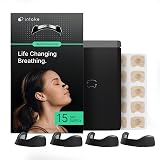
Mouth taping, a relatively newer trend in the realm of sleep methods, focuses on encouraging nasal breathing throughout the night. Nasal breathing is often considered superior to mouth breathing, as it helps filter air, humidify it, and produce nitric oxide, which improves oxygen circulation. Proponents of mouth taping suggest it can aid relaxation, reduce snoring, and even diminish bad breath. However, it is important to note that the scientific evidence supporting these claims is still emerging, and potential side effects, such as difficulty breathing, skin irritation, and anxiety, have been reported.
The presenter, who normally breathes through their nose, did not find a significant personal benefit from mouth taping, aside from an unusual thirst upon waking. They slept for 7 hours and 38 minutes with an RHR of 44 bpm, suggesting a normal night’s sleep statistically. However, the experience varied among participants; some found it challenging, particularly if suffering from a cold, where nasal congestion made breathing difficult and even unsafe. It is generally advised that this method should be approached with caution, especially if underlying respiratory conditions exist, and consulting a healthcare professional is recommended prior to use.
Contrast Water Therapy: The Power of Hot and Cold Showers
The use of contrast water therapy, involving alternating between hot and cold showers, before bed is an intriguing method aimed at manipulating body temperature for better sleep. The theory behind this approach is that an initial increase in body temperature from a hot shower, followed by its natural decline in the hour leading up to sleep, signals to the body that it is time to rest. This drop in core temperature is a crucial component of the body’s sleep-wake cycle.
The presenter found this method remarkably effective, reporting 7 hours and 35 minutes of sleep, an RHR of 43 bpm, and a higher-than-average restorative sleep score. This outcome challenges the common misconception that cold showers before bed might be too stimulating. Instead, the subsequent relaxation and temperature regulation appear to be highly conducive to sleep. All participants in the video reported positive experiences, with one even noting “a lot of restorative sleep.” This method could be a powerful tool for those struggling with sleep onset or seeking deeper, more restorative sleep stages. It is often recommended that the final segment of the shower be warm to prevent residual chill.
Stretching for Relaxation and Recovery
Incorporating a stretching routine before bed is a widely recommended practice for easing the transition into sleep. Stretching helps to improve blood flow, relieve muscle tension, and enhance flexibility, all of which contribute to a state of physical and mental relaxation. The absence of significant risks makes this a particularly appealing method for daily use.
After a stretching session using a specialized app, the presenter recorded 7 hours and 33 minutes of sleep, an RHR of 46 bpm, and above-average restorative sleep. A notable benefit was waking up feeling excited and ready for the day, rather than tired. The experience was universally positive among the participants, with comments highlighting the relaxing nature of the routine and its effectiveness in winding down. Regular stretching can also aid in muscle recovery, which is especially beneficial for individuals engaged in physical activities, adding an extra layer of “gains” to the sleep process. It is generally suggested that gentle, static stretches are best for bedtime, avoiding dynamic movements that might be too stimulating.
The Complexities of Melatonin Supplements
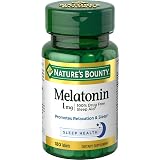
Melatonin, often referred to as the “sleep hormone,” is naturally produced by the body to regulate sleep-wake cycles. Supplements containing melatonin are widely available and are frequently used to aid sleep, particularly in cases of jet lag or occasional insomnia. However, the use of melatonin is not without its complexities.
The presenter initially expressed reservations about taking pills unnecessarily, and their experience reflected some of the potential downsides. Despite being in bed for over 8 hours, actual sleep lasted only 7 hours and 21 minutes, accompanied by an elevated RHR of 50 bpm. The presenter reported feeling exceptionally sleepy but not necessarily rested or ready for the day, indicating a potential disconnect between induced sleepiness and true restorative sleep. The participants who used melatonin also reported falling asleep quickly but often woke up feeling “sloppy” or lethargic. Warnings about potential side effects such as headaches, nausea, vivid dreams, and confusion, along with rare allergic reactions, underscore the importance of judicious use. Melatonin is generally not recommended for routine use by healthy individuals; instead, it is best reserved for specific circumstances where the body’s natural sleep rhythm needs re-calibration, always under medical guidance.
The Military Method for Rapid Sleep Onset
The military method is a well-known technique designed to help individuals fall asleep in under two minutes, even in challenging environments. This method focuses on systematic muscle relaxation and mental visualization or suppression of thoughts. It involves relaxing every muscle in the body, from face to feet, combined with deep breathing and either visualizing a peaceful scene or repeating a phrase like “don’t think.”
The presenter found that while the visualization aspect was not effective for them, the “don’t think” repetition quickly led to sleep within five minutes, rather than the advertised two. They recorded 7 hours and 45 minutes of sleep with an RHR of 45 bpm, and decent restorative sleep. For individuals who struggle with racing thoughts at bedtime, this method can be highly effective in diverting mental energy from anxieties. One participant reported a 98% sleep score, indicating excellent sleep quality. While some found the method somewhat “bullshit” if not struggling with sleep onset, its utility for those with initial insomnia is clear. It is a technique that requires practice but can be a powerful tool for rapid relaxation.
Reading as a Bedtime Ritual
Reading before bed is one of the oldest and most beloved sleep methods, often recommended for its calming effects on the mind. The general consensus is that fiction books are preferred over non-fiction, as non-fiction can stimulate cognitive activity too much. Similarly, frightening or overly dramatic stories are often avoided to prevent unsettling dreams.
The presenter’s experience with reading Harry Potter for 20 minutes before bed led to feeling very tired and falling asleep quickly. Despite this, the night was described as “busy,” with 7 hours and 57 minutes of sleep, an RHR of 43 bpm, and a mixture of deep and light sleep, possibly influenced by “heavy dreaming.” While reading effectively induces sleepiness, its impact on the *quality* of sleep can vary. Most participants, however, found it an enjoyable and effective way to wind down. Reading helps slow the heart rate and relax muscles, providing physiological benefits that aid in unwinding from the day’s stresses. It is often emphasized that the light source for reading should be dim, and e-readers should ideally be set to a “night mode” to minimize blue light exposure.
The Influence of White Noise on Sleep
White noise generators or ambient sounds are frequently utilized to create a consistent auditory environment that can mask disruptive noises and promote sleep. While research suggests white noise can help some individuals fall asleep and improve sleep quality, for others, it can be perceived as an additional distraction, hindering rest.
For the presenter, listening to white noise from a diffuser resulted in 8 hours and 8 minutes of sleep, an RHR of 44 bpm, but a lower-than-usual restorative sleep. This highlights the subjective nature of this method; what is soothing for one person might be irritating for another. The participants generally reported good sleep with white noise. It is often suggested that experimentation with different types of sounds (e.g., brown noise, pink noise, nature sounds) and volumes is necessary to find what best suits individual preferences. The goal is to create a constant, unobtrusive sound that helps the mind disengage from environmental disturbances.
The Comfort of the Milk and Cookie Routine
The “milk and cookie” routine, often incorporating a hot shower, warm drink, and a snack, is a traditional comfort-based approach to preparing for sleep. While direct scientific evidence for specific items like warm milk is limited, the routine itself taps into the powerful psychological benefits of a consistent and comforting pre-sleep ritual.
The presenter’s experience, which included a hot shower an hour before bed and protein chocolate milk with a cookie, showed mixed statistical results. They slept for 7 hours and 12 minutes with an RHR of 48 bpm, but remarkably high restorative sleep—one of their best nights for deep sleep. This suggests that the routine’s primary benefit might not lie in the individual components but in the ritualistic winding down it facilitates. The hot shower raises body temperature, which then naturally cools, signaling sleep, while the warm drink and snack offer a sense of comfort and fullness. Most participants found this method very normal and enjoyable, reinforcing the idea that a pleasant, consistent routine can be profoundly effective for sleep. The carbohydrates and tryptophan in cookies and milk can also have a mild sedative effect.
The Calming Effects of the 4-7-8 Breathing Method
The 4-7-8 breathing method, developed by Dr. Andrew Weil, is a breathing technique designed to induce relaxation and promote sleep. It involves a specific pattern of inhaling for 4 seconds, holding the breath for 7 seconds, and exhaling for 8 seconds, repeated four times. This method is considered a natural tranquilizer for the nervous system, helping to calm the mind and body.
The presenter found this method effectively relaxed them, noting a decrease in heart rate and falling asleep within a few minutes after mastering the technique. Despite achieving 8 hours and 8 minutes of sleep and an RHR of 44 bpm, their restorative sleep was lower than usual. This implies that while the method excels at inducing relaxation and sleep onset, its impact on the deeper stages of sleep can vary. Participants generally found it calming, with some comparing its relaxing effects to the military method. However, some found focusing too intensely on breathing to be counterproductive, leading to self-consciousness about the act of breathing itself. Practicing this method regularly, perhaps even during the day, can improve its effectiveness at bedtime.
The Cornerstone of Quality Sleep: A Consistent Routine
After exploring these varied sleep methods, a critical overarching theme emerges: the immense importance of a consistent sleep routine. While individual methods can offer specific benefits, their true power is often unlocked when integrated into a predictable nightly sequence. Establishing a routine helps regulate the body’s internal clock, or circadian rhythm, signaling to the body when it is time to wind down and prepare for rest.
The presenter, after trying numerous techniques, ultimately highlighted the importance of building a personalized routine. Their chosen routine now includes a combination of a hot-cold shower, a light snack, and white noise, with stretching incorporated a few times a week. This demonstrates that the optimal routine is not a one-size-fits-all solution but rather a curated collection of practices that resonate with an individual’s needs and preferences. It is often suggested that consistency, even more than the specific methods themselves, plays a pivotal role in improving overall sleep quality.
Waking Up to Answers: An Extreme Sleep Q&A
What is the main goal of trying different sleep methods?
The main goal is to improve the quality of your sleep, not just the number of hours you spend in bed. Different methods aim to help you fall asleep faster, reduce awakenings, and achieve more restorative rest.
How can sleeping naked help improve my sleep?
Sleeping naked helps regulate your body temperature, which is important for sleep. A cooler core body temperature signals to your brain that it’s time for rest, helping you fall asleep faster and get better quality sleep.
What is the 4-7-8 breathing method?
The 4-7-8 breathing method is a technique where you inhale for 4 seconds, hold your breath for 7 seconds, and then exhale for 8 seconds. This pattern helps calm your nervous system and can make it easier to relax and fall asleep.
Is reading before bed a good way to help me sleep?
Yes, reading before bed can be a very calming ritual that helps slow your heart rate and relax your muscles. It’s often recommended to read fiction and use dim lighting to avoid over-stimulating your mind.