A staggering 60% of college students report poor sleep quality, directly impacting academic performance and overall well-being. The video above highlights essential items for optimizing your dorm sleep environment. However, achieving restorative slumber requires a more holistic approach. This article expands on these critical elements, providing expert insights into transforming your uncomfortable dorm bed into a sanctuary of rest.
Optimizing Your Sleep Foundation: The Dorm Mattress Dilemma
College dorm mattresses are notoriously uncomfortable. They are often thin, worn, and lack proper ergonomic support. This inadequate foundation can lead to persistent soreness and disrupted sleep cycles. Investing in a superior sleep surface is paramount for nocturnal recovery. Prioritizing this upgrade yields significant benefits for student health.
The Transformative Power of a Quality Mattress Topper
The video correctly identifies a mattress topper as a game-changer. Specifically, a memory foam topper, approximately two inches thick, dramatically alters the sleep experience. Memory foam contours to the body’s unique shape, providing personalized pressure relief. This adaptability minimizes pressure points, thereby reducing aches and stiffness upon waking. The viscoelastic properties of memory foam facilitate a feeling of being cradled.
For enhanced sleep quality, consider advanced memory foam compositions. Cooling gel infusions address common issues of thermal discomfort during sleep. These gel particles draw heat away from the body, maintaining an optimal sleep temperature. Alternatively, a topper with a highly breathable cover promotes air circulation, preventing heat buildup. Proper thermal regulation is crucial for uninterrupted rest, as fluctuations can trigger awakenings. These innovations elevate the basic memory foam experience significantly.
Mastering Thermal Regulation: Combatting Dorm Room Heat
Dormitories often present challenges in temperature control. Overheating during sleep significantly degrades sleep architecture, reducing REM and deep sleep stages. An elevated core body temperature can also delay sleep onset. Proactive thermal management is essential for consistent, high-quality rest. Addressing these environmental factors directly improves sleep efficiency.
The Strategic Use of Tower Fans for Optimal Cooling and White Noise
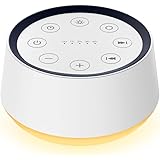
A tower fan serves a dual purpose in optimizing your dorm sleep environment. Firstly, it actively circulates air, creating a cooling breeze across your skin. This evaporative cooling helps dissipate body heat, promoting a more comfortable sleep state. Secondly, fans generate consistent white noise, which is invaluable for masking disruptive sounds. The steady hum helps create a predictable acoustic environment. This continuous background sound effectively blocks inconsistent external noises, fostering a calmer sleep space.
White noise functions by raising the ambient sound floor. This makes sudden, jarring noises less impactful to your auditory system. For example, distant conversations or street noise become less noticeable. Selecting a fan with multiple speed settings allows for customized air flow and sound intensity. Position the fan strategically for maximum effect. Directing airflow across your bed maximizes cooling efficiency and sound distribution. This targeted approach enhances the fan’s multifaceted benefits.
Achieving Sensory Deprivation: Eliminating Light and Sound Disturbances
The human body’s circadian rhythm is highly sensitive to external stimuli. Light and sound are powerful cues that regulate our sleep-wake cycle. In a bustling college environment, eliminating these disturbances is often challenging. Therefore, implementing effective sensory deprivation techniques is crucial. These practices support natural melatonin production and consolidated sleep.
The Indispensable Role of Earplugs for Complete Silence
For students living in high-traffic dorms, complete auditory silence is often an elusive dream. Earplugs provide a practical and highly effective solution. They function by physically blocking sound waves from reaching the eardrum. Look for earplugs with a high Noise Reduction Rating (NRR) for maximum efficacy. Foam earplugs, when inserted correctly, expand to create a tight seal, offering superior acoustic dampening.
Proper insertion is critical to achieving the advertised NRR. Roll foam earplugs into a thin cylinder before inserting deeply into the ear canal. Hold them in place until they fully expand. Silicone earplugs offer an alternative for sensitive ears or those seeking reusability. Consistent use of earplugs trains the brain to associate quietude with sleep. This consistent practice reinforces healthy sleep patterns.
Eye Masks: Your Gateway to Complete Darkness
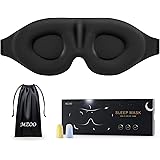
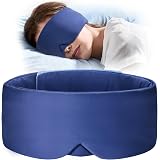
Light exposure, particularly blue light, significantly inhibits melatonin production. Melatonin is the hormone responsible for signaling sleep onset to the brain. Dorm rooms, with their various electronic devices and external light sources, are rarely truly dark. An eye mask creates a personal cocoon of darkness, regardless of the ambient light conditions. This ensures optimal melatonin secretion.
Choose an eye mask that provides total light blockage without applying undue pressure to the eyes. Contoured designs often achieve this best, allowing for natural eye movement during REM sleep. Materials like silk or bamboo are gentle on the skin and breathable, preventing irritation. A high-quality eye mask is a simple yet profoundly effective tool. It ensures your brain receives the necessary darkness cue for deep, restorative college sleep. Consistent use reinforces the importance of light management in sleep hygiene.
Rest Easy: Your Essential College Sleep Q&A
Why is it hard for college students to get good sleep?
Many college dorms have uncomfortable mattresses, issues with temperature control, and a lot of noise and light, all of which can disrupt a student’s sleep quality.
What is the easiest way to make a dorm bed more comfortable?
Adding a quality mattress topper, especially a two-inch memory foam one, can significantly improve an uncomfortable dorm mattress by offering better support and pressure relief.
How can I keep my dorm room cool for better sleep?
A tower fan is very useful for cooling, as it circulates air to create a breeze. It also helps by generating white noise, which can mask disruptive sounds.
What can I use to block out noise when trying to sleep in a dorm?
Earplugs are an effective solution to block sound waves and create a quieter sleeping environment. Foam earplugs with a high Noise Reduction Rating (NRR) work best.
How can I make my dorm room dark enough to sleep, even with ambient light?
An eye mask is a simple tool that creates complete darkness for your eyes, signaling your brain to produce melatonin, the hormone that helps you fall asleep.