Achieving optimal sleep quality is a quest for many, and in the modern age, technology often promises to be the guide. As you’ve seen in the video above, one individual’s journey into the realm of sleep tech involved a significant investment—a staggering $17,496.79 to be precise.
This deep dive into various sleep gadgets offers a candid look at what truly enhances rest and what might just be a drain on your wallet. For anyone looking to refine their nightly routine and truly invest in better sleep, understanding these different categories of sleep technology is paramount.
1. Harnessing the Power of Light for Superior Sleep Quality
The control of light is foundational to effective sleep optimization, influencing our natural circadian rhythm more profoundly than many realize. Properly managing light exposure, both before bed and upon waking, can make a monumental difference in how quickly we fall asleep and how refreshed we feel in the morning.
Eliminating Light at Night: Blackout Solutions
When it comes to blocking out unwanted light, the choices range from budget-friendly options to premium smart solutions. The video illustrates a valuable lesson: sometimes, the simplest solutions are incredibly effective, even if they aren’t the most aesthetically pleasing.
Early on, the speaker found success with basic Amazon blackout curtains and rods, costing less than $50. This approach proved very effective, demonstrating that even a modest investment can significantly improve sleep quality by creating a dark environment conducive to rest.
However, the pursuit of a modern aesthetic led to a costly misstep with Norman motorized shades, an investment of approximately $2,000. These shades failed to completely block light due to small gaps, leading to unwanted early morning awakenings. This experience underscores that even expensive solutions can falter if they don’t perfectly meet the functional requirement of total darkness.
The ultimate solution, though pricier, proved to be the Hunter Douglas Duette LightLock shades, totaling $4,600 after custom installation and modifications. These shades integrated seamlessly with Apple Home and provided complete light blockage, finally delivering the desired outcome. This journey serves as an analogy: sometimes you have to kiss a few frogs (or expensive shades) to find your sleep princess.
Portable Darkness: Sleep Masks for Travel
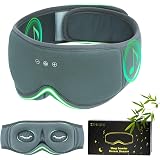
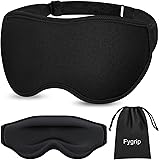
While permanent blackout solutions are ideal for the home, sleep masks offer a portable alternative, especially valuable for travelers. The video emphasizes comfort as key, highlighting contoured masks that avoid pressure on the eyelids, such as a comfortable, cheap mask around $10-15 or the Manta Sleep Mask for $35.
A good sleep mask can be a game-changer on planes or in unfamiliar hotel rooms, acting as a personal blackout curtain you can carry. Though they may occasionally shift, a well-fitting mask ensures light doesn’t prematurely interrupt your sleep cycles.
Awakening with Light: Smart Lights and Simulated Sunrises
Beyond blocking light, smart lights like Philips Hue ($30-$100 per bulb/strip, plus a $50 hub) offer the ability to mimic natural light cycles. Programming them to emit warm, red light in the evenings can help reduce blue light exposure, signaling to your body that it’s time to prepare for sleep.
This is particularly beneficial for individuals sensitive to light stimulation before bed, acting as a gentle transition. Similarly, these smart lights can simulate a sunrise, gradually brightening your room to encourage a more peaceful awakening than a jarring alarm. This gentle transition helps align your body’s internal clock, or circadian rhythm, promoting a more natural start to the day.
2. Optimizing Your Auditory Environment for Deep Sleep
The quietest room isn’t just about silence; it’s about eliminating subtle noise disturbances that can compromise sleep quality, even if you don’t fully wake up. Sound pollution can fragment sleep and reduce its restorative power, making sound management a critical component of sleep optimization.
Masking Noise: White Noise Generators
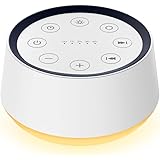
When external sounds are beyond your control, white noise can be an invaluable ally. A simple fan, like a $50 model, can effectively generate consistent white noise that masks sudden disturbances, creating a more stable auditory environment. While the Dyson TP04, priced over $300, offers air purification and smart home integration, its primary function as a white noise generator is comparable to a much cheaper alternative.
For most people, the core benefit of white noise – a constant, unobtrusive sound that drowns out sudden noises – doesn’t require a premium device. The consistent hum acts like a sound blanket, keeping your brain from being startled awake by a barking dog or a passing car.
Adding Comfort: Humidifiers and Earplugs
In dry climates, a humidifier, such as the Smartmi Humidifier for $140, not only alleviates nasal irritation and bloody noses but also contributes a gentle white noise hum. This dual benefit tackles both physiological discomfort and auditory disturbance, making it a worthy consideration for those in arid regions.
For direct noise blocking, earplugs remain a cheap and highly effective solution. Simple foam earplugs, when inserted correctly by lifting the ear to straighten the canal, are often superior to more expensive gummy alternatives. They are a staple for travelers and anyone facing significant noise challenges, offering an immediate barrier against disruptive sounds.
3. Mastering Temperature Regulation for Restful Nights
Temperature plays a crucial, yet often overlooked, role in sleep onset and quality. Our bodies naturally cool down by 1 to 3 degrees Fahrenheit to initiate sleep and warm up by a similar amount to wake, making precise temperature regulation a key factor in achieving deeper rest.
Ambient Cooling: The Air Conditioner Advantage
Setting your air conditioner a few degrees cooler at night, even at an extra cost of $10-20 per month in electricity, can dramatically improve sleep. A cooler room helps your body achieve the necessary drop in core temperature faster, preventing restlessness and perceived insomnia that often stems from an overheated environment.
The ideal temperature is cool enough to warrant a blanket, allowing you to expose your hands and feet (areas with glabrous skin) to effectively dissipate excess heat if you feel too warm. This small adjustment can transform a fitful night into one of uninterrupted slumber, emphasizing how crucial a slightly chilly room is for better sleep.
Advanced Thermal Control: Cooling and Heating Mattresses
For those seeking precise temperature control, devices like the Eight Sleep Pod offer sophisticated solutions. This system, costing $2,500 for a California King, uses a thick mattress cover with integrated hoses to pump water, actively warming or cooling the sleep surface.
The beauty of this sleep technology lies in its ability to dynamically adjust temperature throughout the night. It can start cooler for sleep onset, gradually warm through different sleep stages, and even provide a gentle warming boost to aid in waking. This personalized thermal management helps optimize each phase of your sleep cycle, aligning with your body’s natural temperature fluctuations.
4. Demystifying Sleep Tracking for Actionable Insights
Sleep tracking has evolved from simple step counts to sophisticated analysis of physiological data, providing a window into our nocturnal activities. However, the true value of these devices lies in using them as a tool for improvement, rather than a source of anxiety.
Dedicated Sleep Trackers: Rings and Smart Beds
While the Eight Sleep Pod includes built-in sensors, the video suggests that dedicated sleep tracking rings offer more consistent and accurate data for key metrics like heart rate, HRV (heart rate variability), and body temperature. The Oura Ring, used since 2019, consistently tracks these vital signs, even detecting early signs of illness like temperature spikes before symptoms fully manifest.
The speaker highlights the Oura Ring’s accuracy but notes its bulkiness for daytime wear and an annual membership fee of $72 on top of the $299-$450 product cost. A promising alternative is the Ultrahuman Air Ring, priced at $349 with no subscription, offering a sleeker design and more reliable data capture without gaps. The seamless design of the Ultrahuman Air makes it feel less like a gadget and more like a regular ring, enhancing comfort and wearability.
The Pitfalls of Obsession: Orthosomnia
It’s vital to remember that sleep trackers are tools, not dictators. An excessive focus on sleep scores and metrics can lead to “orthosomnia,” a condition where the pursuit of perfect sleep tracking metrics actually causes anxiety and worsens sleep. The goal of any sleep technology should be to provide actionable insights that empower positive lifestyle changes, not to add stress.
Using these trackers to identify trends in total sleep duration, resting heart rate, and HRV can be incredibly beneficial. For instance, noticing a consistent drop in your HRV after late-night meals or stressful days can prompt adjustments to your routine, leading to genuine improvements in your sleep patterns.
5. Enhancing Physical Comfort for Uninterrupted Rest
Beyond light, sound, and temperature, the physical environment of your bed—your mattress, pillows, and sheets—forms the foundation of comfortable sleep. Investing in these elements is a direct investment in your body’s recovery and overall well-being.
The Foundation of Comfort: Mattress Selection
Choosing the right mattress is a deeply personal decision, often influenced by individual sleeping positions and preferences. For a side sleeper, a soft yet supportive mattress, such as the speaker’s Tempur-Pedic (around $5,300), can make a significant difference.
Dispelling the myth that only firm mattresses are good for your back, the video emphasizes trying different types to find what cradles your body most effectively. Considering that we spend roughly one-third of our lives in bed, prioritizing a high-quality mattress is an investment that pays continuous dividends in terms of comfort and spinal alignment.
Supporting Your Head: Pillow and Sheet Choices
Pillow selection is intrinsically linked to mattress type. A softer mattress will require a different pillow thickness and support level than a firmer one, as the depth your body sinks into the mattress dictates the gap between your shoulder and neck. Thick, supportive pillows are crucial for maintaining proper spinal alignment, especially for side sleepers.
Similarly, sheets contribute to overall comfort and temperature regulation. While premium options exist, the speaker found excellent quality and comfort in Kirkland sheets, highlighting that effective sleep products don’t always need to break the bank. Sometimes, widely available and affordable options can deliver just as much value.
Bonus: Everyday Tech for Better Sleep Habits
Several other technologies, while not exclusively sleep-focused, can significantly contribute to a conducive sleep environment and improved habits.
- **Ecobee Thermostat with Remote Sensors:** These smart thermostats allow you to prioritize cooling in specific areas, like your bedroom, ensuring that the temperature sensor closest to you dictates the comfort level, rather than a less representative area of your home. This precision helps achieve that ideal cool sleeping temperature.
- **Kindle E-Reader:** Reading before bed is a relaxing habit, but the blue light emitted by phones and tablets can disrupt melatonin production. A Kindle, with its adjustable warm light and dark mode, offers a screen-time alternative that won’t interfere with your body’s natural sleep signals. This simple swap can significantly improve sleep onset for light-sensitive individuals.
- **Blue Light Blocking Glasses:** While less critical if you’ve already minimized blue light exposure through smart lights and e-readers, blue light blocking glasses can provide an additional layer of protection. They filter out the stimulating blue wavelengths emitted by screens, helping your brain prepare for sleep, even if you occasionally use a device in the evening.
Ultimately, the journey to optimize sleep technology is highly personal. Whether through strategic investments in blackout shades and cooling mattresses or through simpler choices like effective earplugs and smart light routines, every step toward understanding and improving your sleep environment can lead to more restorative rest.
Worth It or Not? Your Sleep Tech Q&A
What is “sleep tech” and why would I use it?
Sleep tech refers to various devices and solutions designed to help improve the quality of your rest. It aims to optimize your sleep environment and track your body’s sleep patterns to achieve better sleep.
How does light affect my sleep?
Light significantly influences your body’s natural sleep-wake cycle, called the circadian rhythm. Blocking out unwanted light at night helps you fall asleep, while using warm, dim lights in the evening can signal to your body that it’s time to prepare for rest.
Why is temperature important for getting good sleep?
Your body naturally needs to cool down to initiate sleep. A slightly cooler room helps your body achieve this temperature drop faster, leading to quicker sleep onset and more restful nights.
What are sleep trackers and should I use one?
Sleep trackers are devices, often rings or smart beds, that monitor metrics like heart rate and sleep stages to give you insights into your sleep quality. They can be helpful tools to identify patterns and make positive lifestyle changes, but it’s important not to obsess over the data.