The quest for uninterrupted, high-quality sleep is a journey many people embark on, often encountering numerous obstacles along the way. Environmental factors, such as ambient light, are frequently identified as significant disruptors of our natural sleep cycles. Indeed, even a faint glow from a street lamp or the early morning sun can hinder the production of melatonin, the hormone responsible for signaling to our bodies that it is time to rest deeply.
For those seeking to create an optimal sleeping environment, a sleep mask is often considered an essential tool, acting as a personal blackout curtain for the eyes. As compellingly demonstrated in the accompanying video, not all sleep masks are created equal, with a vast spectrum of options ranging from the most basic, budget-friendly varieties to sophisticated, feature-rich devices. Understanding these distinctions is paramount for anyone hoping to truly improve their sleep quality and invest wisely in a suitable sleep aid.
Understanding the Crucial Role of Sleep Masks in Enhancing Rest
The human body’s internal clock, known as the circadian rhythm, is profoundly influenced by light exposure. When light reaches the retina, signals are sent to the brain, suppressing melatonin production and promoting wakefulness. This intricate biological process means that even small amounts of light can disrupt the journey into deeper, restorative sleep stages, leaving individuals feeling less refreshed.
Firstly, a well-designed sleep mask functions as a barrier, effectively blocking external light and signaling to the brain that it is night, regardless of the actual time. This consistent darkness encourages the body’s natural melatonin secretion, facilitating a smoother transition into sleep and supporting a more stable sleep architecture. Moreover, for individuals working night shifts or those residing in urban areas where light pollution is prevalent, a quality eye mask becomes an indispensable ally. It serves as a miniature, portable darkroom, allowing for essential sleep to be obtained even in less-than-ideal conditions.
The Entry-Level Experience: Unpacking the Budget-Friendly Sleep Mask
As illustrated by the $1 mask in the video, entry-level options are readily available, often acquired as complimentary items during travel or purchased at minimal cost. These basic sleep masks typically feature simple elastic bands and standard fabric, aiming to provide a degree of darkness. However, the experience shared in the video, detailing an uncomfortable fit and insufficient light blocking, resonates with a common sentiment regarding such products.
Secondly, a primary issue often encountered with these inexpensive masks is their inability to conform properly to the contours of the face, much like trying to fit a square peg into a round hole. This leads to light leakage around the nose and temples, rendering the mask largely ineffective as a complete light blocker. Furthermore, the materials used are sometimes found to be scratchy or unbreathable, causing discomfort or making the wearer feel excessively warm during the night. Such fundamental design flaws often result in the mask being unconsciously removed during sleep, completely negating any potential benefits and leaving the individual susceptible to sleep disruptions.
Elevating Comfort: The Ergonomic Sleep Mask and its Design Advantages
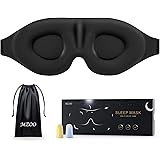
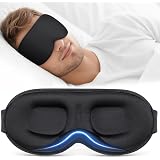
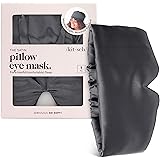
A significant leap in design and comfort is typically observed with mid-range sleep masks, exemplified by the $80 mask presented in the video. These products are engineered with a focus on ergonomics, featuring specialized padding and contoured shapes that delicately cup the eyes without applying direct pressure. Such innovative designs are crucial for achieving complete darkness, as they effectively seal out light from all angles, creating a personal void of illumination.
Moreover, the enhanced comfort provided by these ergonomically designed eye masks is a game-changer for many, particularly those who sleep on their side. The ability to rest comfortably without pressure on the eyes or nose is often compared to moving from a flimsy, ill-fitting tent to a custom-built, supportive shelter. However, a potential drawback, as highlighted in the video, can be heat retention, depending on the materials used. This factor emphasizes the importance of breathable fabrics like silk or bamboo for maintaining a comfortable temperature throughout the night, ensuring that the pursuit of darkness does not inadvertently lead to overheating and further sleep disruption.
The Ultimate Indulgence: Integrating Sound for Comprehensive Relaxation
At the pinnacle of sleep mask technology, premium models, such as the $140 option showcased, transcend mere light blocking by incorporating advanced features like integrated audio. These high-end sleep masks transform the sleep experience into a multi-sensory journey, offering embedded speakers that connect wirelessly to personal devices. This allows users to drift off to sleep while listening to soothing sounds, be it ASMR, calming ocean waves, or guided meditations.
Thirdly, the addition of sound features is often considered a powerful component in achieving profound relaxation, acting like a personal soundscape that blocks out disruptive external noises while lulling the mind into a state of tranquility. This holistic approach to sleep preparation can be likened to not just turning off the lights in a room, but also simultaneously creating a perfectly serene audio environment—a personal sleep sanctuary. Nevertheless, practical considerations such as battery life and the potential for interruptions from advertisements in free streaming services, as humorously noted in the video, become important factors for users to evaluate when considering such an investment.
Beyond the Mask: Crafting an Optimal Sleep Sanctuary
While an effective sleep mask is undeniably a powerful tool in the arsenal against sleep deprivation, it is important to remember that it forms just one component of a broader strategy for achieving optimal sleep. A truly restful night is often supported by a holistic approach to sleep hygiene, encompassing various environmental and behavioral factors. For instance, maintaining a consistent sleep schedule, even on weekends, significantly helps in regulating the body’s circadian rhythm.
Moreover, the temperature of the bedroom plays a critical role, with cooler environments generally being more conducive to sleep, often between 60-67 degrees Fahrenheit (15-19 degrees Celsius). Limiting exposure to blue light from screens before bedtime is also advised, as this type of light has been shown to suppress melatonin production. Ultimately, the choice of a sleep mask should be viewed as an investment in personal well-being, complementing other mindful practices designed to cultivate a serene and restorative sleep environment, leading to better sleep and improved daily functioning.
Unmasking the Truth: Your Sleep Mask Questions Answered
What is a sleep mask and why should I use one?
A sleep mask is a tool that acts like a personal blackout curtain for your eyes. You use it to block out light, which helps your body produce melatonin and achieve better quality sleep.
How does light affect my ability to sleep well?
Light exposure tells your brain it’s daytime, which suppresses melatonin, the hormone that helps you feel sleepy. Even small amounts of light can disrupt your sleep cycle and prevent deep, restorative sleep.
Are there different kinds of sleep masks?
Yes, sleep masks come in a wide range, from very basic and inexpensive options to more advanced, ergonomically designed masks with features like contoured shapes and comfortable fabrics.
Besides a sleep mask, what else can help me get better sleep?
To improve your sleep, you can also try maintaining a consistent sleep schedule, keeping your bedroom cool (around 60-67°F), and limiting screen time before bed to reduce blue light exposure.