Have you ever wondered what it truly feels like to achieve a perfect night’s sleep, scoring 100% on your sleep tracker? As the video above humorously explores, the quest for optimal sleep often leads us down intriguing, and sometimes bizarre, paths. Many individuals, like the creator in the video, struggle with inconsistent sleep patterns and poor sleep quality, despite understanding the profound benefits of restful sleep, which include improved immunity, weight management, and enhanced cognitive function. This pursuit for ultimate sleep improvement can involve everything from high-tech gadgets to fundamental lifestyle adjustments.
The Persistent Challenge of Achieving Optimal Sleep
Modern life, with its demanding schedules and constant digital connectivity, frequently disrupts natural sleep cycles. The video creator candidly shares how his life as a YouTuber, requiring late-night postings and high-energy recordings, exacerbated his poor sleep habits. This scenario resonates with countless professionals who juggle work, personal life, and the ubiquitous presence of social media before bed. Consequently, exploring solutions for achieving better sleep becomes a critical endeavor for overall wellness and daily productivity.
Indeed, understanding your personal sleep challenges is the first step toward effective sleep improvement. Recognizing the factors that negatively influence your rest, such as excessive screen time, irregular schedules, or caffeine dependency, allows for targeted interventions. Tackling these issues systematically can pave the way for more consistent and restorative sleep, fundamentally enhancing daily life.
Exploring Innovative Sleep Enhancement Products
Driven by the desire for a 100% sleep score, the video features an array of products designed to tackle various sleep issues. These devices represent a spectrum of technological approaches, each promising to unlock the secrets to a perfect night’s rest. Examining these tools provides insight into the diverse strategies available for those seeking significant sleep improvement.
Light Therapy Glasses and Circadian Rhythm Regulation
One of the initial products tested was the Re-Timer Light Therapy Glasses, intended to reset the body’s internal clock. These specialized glasses emit a green-blue light from beneath the eyes, which signals the brain to regulate sleep and wake cycles effectively. Neurobiologists emphasize that exposure to natural light early in the morning is crucial for maintaining a healthy circadian rhythm, a key component for robust sleep habits.
These glasses are particularly useful during winter months or for combating jet lag, where natural light exposure is limited. Users are advised to wear them for 30 to 60 minutes daily, ideally in the morning, to help synchronize their internal clock. While the video creator humorously questions their aesthetic appeal and notes a 20% discount code voiding the money-back guarantee, he did report a notable 90% sleep score after initial use, indicating a potential positive impact on his sleep patterns.
Revolutionary Alarm Clocks for Gentle Waking
The selection of alarm clocks presented two highly contrasting philosophies for waking up. First, Clocky, an alarm clock equipped with wheels, aims to force sleepers out of bed by rolling off the nightstand and compelling them to physically chase it. While designed to prevent snoozing, its abrupt and loud awakening experience proved to be quite jarring for the video creator, making it an unfavorable option for a peaceful start to the day.
Conversely, the sunrise alarm clock offers a much more soothing transition from sleep to wakefulness. This device gradually increases light output, mimicking a natural sunrise, and often includes gentle nature sounds. This gradual illumination helps the body naturally reduce melatonin production and increase cortisol, leading to a more pleasant and less stressful awakening. Many people find this gentle approach significantly enhances their morning mood and overall sleep experience.
Addressing Snoring and Nasal Breathing Challenges
Several products were acquired to improve breathing during sleep, specifically targeting snoring and mouth-breathing. Nasal breathing is widely recognized for its benefits in promoting deeper, more restful sleep, filtering air, and maintaining optimal oxygen levels. The video showcased “lip tape,” designed to keep the mouth closed overnight, encouraging nasal breathing. While visually striking, some users might find this method uncomfortable or even restrictive, highlighting the importance of personal preference in sleep aids.
Further solutions included a nose air purifier filter and a fashionable anti-snoring chin strap. The chin strap works by keeping the jaw in place, preventing the mouth from opening and thus reducing snoring. This can also be beneficial for individuals who grind their teeth at night, like the video creator, alleviating symptoms of temporomandibular joint disorder (TMJ). For a more advanced approach, the Smart Nora system detects snoring and gently inflates a pillow insert, subtly repositioning the head to open airways. Priced at $350, with a 45-day money-back guarantee, this device attempts to provide a non-invasive solution for persistent snoring.
Optimizing Sleep Environment: Sound and Temperature
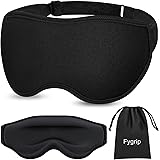
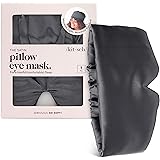
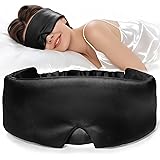
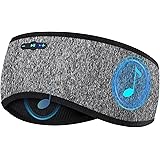
Creating an ideal sleep environment often involves controlling external stimuli. The video explored using an eye mask integrated with Bluetooth headphones to play white noise. White noise, a consistent sound that masks sudden disturbances, can significantly aid in falling and staying asleep, especially for those sensitive to noise. This strategy aims to mimic the serene conditions often found beneficial for infants, promoting “sleeping like a baby.”
Perhaps the most technologically advanced product mentioned was the Eight Sleep Pod Cover, touted as the ultimate sleep fitness machine. This smart mattress cover uses an intricate system of water pipes for advanced heating and cooling, adjusting temperatures based on individual sleep cycles, often guided by AI functionality. While the video creator found it delivered impressive sleep scores (93% and 95%), the substantial cost ($3,600 plus a $24 monthly subscription) raises questions about accessibility and long-term value. Despite the expense, its ability to maintain optimal sleeping temperature can profoundly enhance sleep quality.
Beyond Products: Embracing Holistic Sleep Practices
After experimenting with numerous products, the video narrator discovered that his ultimate 100% sleep score wasn’t achieved through gadgets alone. Instead, it was the culmination of consistent lifestyle adjustments, echoing what many sleep experts advocate. This shift underscores the paramount importance of fundamental habits in achieving truly restful sleep.
Establishing a Consistent Sleep Schedule
One of the most impactful changes involved maintaining a consistent bedtime and wake-up time, even on weekends. This practice helps to stabilize the body’s natural circadian rhythm, making it easier to fall asleep at night and wake up feeling refreshed. Regularity trains your body to anticipate sleep and wakefulness, leading to more profound and restorative rest.
Leveraging Natural Light Exposure
Instead of relying on light therapy glasses, the narrator started walking his dog Ollie in the mornings. Exposure to natural light shortly after waking helps suppress melatonin production, signaling to the brain that it is daytime. This natural stimulation effectively reinforces the circadian rhythm, promoting alertness throughout the day and deeper sleep at night.
Strategic Caffeine Management
A significant adjustment involved curtailing caffeine intake, specifically avoiding it after midday and certainly not first thing in the morning. Caffeine has a long half-life, meaning its stimulating effects can linger for many hours, disrupting sleep quality even if consumed early in the afternoon. Mindful consumption ensures that caffeine does not interfere with the natural sleep process.
Prioritizing Nutrition and Hydration
Adopting healthier eating habits and increasing water intake contributed substantially to improved sleep. A balanced diet provides essential nutrients for bodily functions, including those that regulate sleep. Furthermore, completely cutting out alcohol was crucial, as even moderate alcohol consumption can fragment sleep, reducing its restorative stages and leading to more frequent awakenings during the night.
Implementing a Digital Detox
The habit of scrolling through social media before bed was replaced with reading books. The blue light emitted by electronic devices can suppress melatonin and stimulate the brain, making it harder to fall asleep. Creating a relaxing pre-sleep routine, free from screens, allows the mind to unwind and prepare for rest, significantly improving the transition into sleep.
Integrating Morning Exercise
Exercising in the morning proved to be another beneficial addition to the routine. Regular physical activity can deepen sleep and reduce the time it takes to fall asleep. However, timing is key; strenuous exercise too close to bedtime can have a counterproductive effect by elevating body temperature and heart rate, thus impeding sleep onset.
Ultimately, achieving truly optimal sleep often requires a multifaceted approach, combining mindful lifestyle adjustments with strategic use of supportive products. The journey toward better sleep is deeply personal, emphasizing self-awareness and consistent commitment to healthy habits. Prioritizing consistent sleep patterns and a holistic wellness routine ensures sustained sleep improvement.