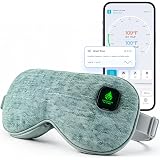
For many, the elusive promise of a good night’s sleep often feels just out of reach. In a world craving instant solutions, it is not uncommon for individuals to be drawn to devices claiming to offer immediate relief from sleep struggles. This universal longing often makes enticing claims around an instant sleep device particularly appealing, leading many to question if such a gadget, like the one explored in the video above, could truly deliver on its ambitious claims.
The video delves into a test of a specific gadget, priced at just $14, that promises to revolutionize bedtime. This particular instant sleep device suggests sending electrical pulses throughout the body, with the purported effect of lowering one’s heart rate and inducing sleep within mere minutes. Such claims are undoubtedly enticing, particularly for those who frequently find themselves tossing and turning for hours.
Understanding the “Instant Sleep Device” Phenomenon
The device featured in the video makes a bold assertion: it can help you fall asleep in under five minutes. This incredible speed is said to be achieved through electrical pulses that are believed to calm the body and mind. The general concept of an instant sleep device like this one is that these pulses could reduce heart rate, thereby signaling to the body that it is time to relax and transition into sleep.
However, as was powerfully demonstrated in the video, where the device was ultimately labeled a “scam,” the reality often diverges sharply from the marketing hype. While the initial sensations described were uncomfortable, there was no reported success in achieving restful sleep. In fact, a tracking app was used to objectively assess sleep onset, and the result was clear: the device failed to live up to its promise. The video shows that after prolonged use, sleep was not induced, reinforcing the skepticism often associated with such products.
Do Electrical Pulses Really Induce Sleep?
The concept of using electrical stimulation for sleep is not entirely new; however, it is a complex field. Some legitimate medical devices, such as those employing Cranial Electrotherapy Stimulation (CES), are approved for treating conditions like insomnia, anxiety, and depression. These devices deliver microcurrents of electricity to the brain, and they are typically prescribed and used under medical supervision, with extensive research backing their efficacy and safety.
In contrast, generic, inexpensive consumer gadgets, often marketed as an “instant sleep device,” are not typically backed by the same rigorous scientific scrutiny. The physiological mechanisms claimed—such as precisely lowering heart rate or effectively modulating brain activity with a simple, low-cost device—are not easily achieved. Imagine if a truly effective, medically sound solution could be purchased for only $14; professional sleep clinics might cease to exist. While the human body is incredibly adaptable, fundamental physiological processes, like those governing sleep, are complex and are not generally reset by a rudimentary electrical pulse from an unvalidated gadget.
Why the Pursuit of “Instant” Sleep Can Be Misleading
The appeal of an easy answer, like an instant sleep device, is understandable when dealing with sleep deprivation. The allure of an instant sleep device, promising swift relief from sleep problems, is undeniable. Waking up tired, struggling through the day, and dreading another restless night can be mentally and physically exhausting. This creates a fertile ground for products that promise a quick fix. Yet, sleep is a profoundly intricate biological process that is influenced by a myriad of factors, ranging from our circadian rhythm and sleep environment to our daily habits and mental state.
When an “instant sleep device” fails, as shown in the video, it often highlights a critical truth: there are rarely shortcuts to genuine, lasting sleep improvement. The complex interplay of hormones, brain activity, and environmental cues cannot be easily overridden by a simple electrical gadget. True relaxation and the onset of deep, restorative sleep typically require a more holistic approach that addresses underlying causes rather than superficially masking symptoms.
Beyond the Gadget: Pillars of Healthy Sleep
Rather than relying on untested devices, a sustainable path to better sleep is usually paved with consistent practices known as sleep hygiene. These established methods have been proven to enhance sleep quality and duration. Consider incorporating these into your daily routine:
-
Maintain a Consistent Sleep Schedule: Go to bed and wake up at roughly the same time each day, even on weekends. This helps regulate your body’s natural sleep-wake cycle, or circadian rhythm.
-
Create a Relaxing Bedtime Routine: Engage in calming activities before bed, such as reading a book, taking a warm bath, or listening to soothing music. These rituals signal to your body that it’s time to wind down.
-
Optimize Your Sleep Environment: Ensure your bedroom is dark, quiet, and cool. Blocking out light and minimizing noise can significantly improve sleep quality. The ideal temperature for most people is between 60-67 degrees Fahrenheit (15-19 degrees Celsius).
-
Be Mindful of Diet and Exercise: Avoid heavy meals, caffeine, and alcohol close to bedtime. Regular physical activity during the day can promote better sleep, but strenuous exercise too close to sleep can be counterproductive.
-
Limit Blue Light Exposure: Screens from phones, tablets, and computers emit blue light, which can interfere with melatonin production—a hormone crucial for sleep. Try to put devices away at least an hour before bed.
These strategies may seem less exciting than an “instant sleep device,” but their effectiveness is well-documented in scientific literature. They focus on naturally preparing the body and mind for rest, fostering a sustainable pathway to improved sleep wellness.
Navigating the World of Sleep Technology
The market for sleep aids is vast, and new technologies are constantly emerging. While the video highlights a device that proved to be a disappointment, not all sleep technology should be dismissed outright. There are reputable sleep trackers, smart alarms, and even advanced light therapy devices that, when used correctly and based on sound science, can complement good sleep hygiene.
When evaluating any new sleep gadget, several questions should be considered. Is the product backed by peer-reviewed research, or are its claims purely anecdotal? Are there transparent explanations of how it works on a physiological level? Are the reviews from genuine users, and do they align with scientific principles? Skepticism, as shown in the video’s initial assessment of the instant sleep device, is a valuable tool when navigating these choices.
Instant Sleep Device Debrief: Questions and Answers
What is an “Instant Sleep Device”?
An “Instant Sleep Device” is a small gadget, often inexpensive, that claims to send electrical pulses to your body to quickly lower your heart rate and help you fall asleep very fast, sometimes in minutes.
Does the Instant Sleep Device discussed in the article actually work?
No, the article’s video test labeled the specific Instant Sleep Device a “scam.” It did not help the user fall asleep and caused uncomfortable sensations instead.
Are all electrical pulse devices for sleep ineffective?
Not all. Some legitimate medical devices, like Cranial Electrotherapy Stimulation (CES), use electrical microcurrents to treat insomnia under medical supervision, but these are different from inexpensive consumer gadgets.
What are some better ways to improve my sleep?
You can improve sleep by maintaining a consistent sleep schedule, creating a relaxing bedtime routine, optimizing your bedroom environment (dark, quiet, cool), and being mindful of diet, exercise, and blue light exposure.