In our fast-paced world, the pursuit of truly restorative sleep often feels like an elusive quest. Many of us grapple with restless nights, waking up feeling as groggy as when we went to bed, rather than energized and ready to tackle the day. This isn’t just about feeling tired; insufficient deep sleep has profound implications for our physical health, cognitive function, mood, and overall well-being. It’s a fundamental pillar of health that too often gets overlooked or misunderstood.
The video above delves into a curated selection of science-backed products and strategies designed to help you achieve deeper, more restorative sleep. From optimizing your internal biology and managing light exposure to creating an ideal sleep environment and accurately tracking your progress, unlocking the secrets to profound sleep involves a multi-faceted approach. Let’s expand on these insights, exploring how specific tools and practices can transform your nights and, by extension, your days.
Optimizing Your Biology and Circadian Rhythm for Deeper Sleep
Your body’s internal clock, or circadian rhythm, and its biological processes play a pivotal role in dictating the quality of your sleep. When these systems are out of sync, falling asleep and staying in a deep, restorative state becomes incredibly challenging. The goal is to signal to your brain and nervous system that it’s safe and appropriate to power down, fostering an environment where deep sleep can naturally flourish. This involves thoughtful interventions that calm your nervous system and support natural hormonal rhythms.
Science-Backed Deep Sleep Supplements for Restorative Rest
Certain natural compounds can act as powerful allies in your journey toward better sleep by targeting specific physiological pathways. The video highlights five key supplements, each with a distinct mechanism of action, that can help calm the mind and body. Taken 30 to 60 minutes before bedtime, these can significantly enhance your body’s readiness for deep sleep.
- Apigenin (25-50mg): This natural flavonoid, found in chamomile, works by gently calming brain receptors in a manner similar to certain sleep medications, but without the harsh side effects. It’s particularly effective for those whose minds race due to stress or anxiety, helping to quiet the mental chatter that often precedes sleeplessness.
- L-Theanine (100-200mg): An amino acid predominantly found in green tea, L-Theanine promotes relaxation without causing drowsiness. It enhances alpha brain waves, which are associated with a state of “wakeful relaxation,” making the transition into sleep smoother and potentially improving overall sleep quality and restorative properties.
- Ashwagandha (600mg): As an adaptogen, Ashwagandha helps the body manage stress more effectively. By lowering cortisol, a primary stress hormone, it can increase total sleep time and the duration of deep sleep, especially when used consistently. Think of it as a subtle dimmer switch for your body’s stress response.
- Magnesium Glycinate or Threonate (200-400mg): Magnesium is a vital mineral involved in over 300 biochemical reactions in the body, including those that regulate sleep. Specifically, magnesium glycinate and threonate are forms known for their high bioavailability and ability to calm the nervous system and reduce cortisol, both of which are foundational for achieving profound deep sleep. It’s like a gentle lullaby for your neurons.
- Glycine (3-5 grams): This amino acid directly contributes to deep, slow-wave sleep by lowering core body temperature. A natural drop in core body temperature is a critical signal for the body to initiate and maintain deep sleep, making Glycine a direct enhancer of this crucial sleep stage.
It’s important to note the distinction with melatonin. While melatonin effectively signals to your body that it’s bedtime, it doesn’t directly enhance deep sleep architecture itself. It’s best reserved for short-term use, such as for jet lag or adjusting to shifting schedules, rather than nightly reliance, especially in high doses, which can potentially suppress your body’s natural melatonin production.
Harnessing the Vagus Nerve for Calm and Restorative Sleep
For many, the biggest barrier to deep sleep isn’t a lack of desire, but a nervous system stuck in overdrive. When your body perceives threats, real or imagined, it activates the “fight or flight” response, making relaxation and sleep nearly impossible. This is where the vagus nerve, often called the body’s superhighway of relaxation, comes into play. Stimulating this nerve can effectively hit the “reset button” for your brain, shifting your nervous system from a state of anxious vigilance to one of calm and safety.
Devices like the Neuropod Vagus Nerve Stimulator, as mentioned in the video, are designed to facilitate this crucial shift. By gently stimulating the vagus nerve, these devices can help regulate heart rate variability (HRV), reduce anxious thoughts, and promote a state conducive to falling asleep faster and staying in deep, restorative sleep longer. Imagine your nervous system as a car constantly redlining; vagus nerve stimulation helps it downshift into a comfortable, cruising speed, allowing for natural rest and recovery. This fundamental level of self-care ensures your body is genuinely prepared for the deep charging it needs.
Aromatherapy for Relaxation: The Deep Sleep Pillow Spray
Sometimes, the simplest signals can have the most profound effects. A deep sleep pillow spray, infused with natural essential oils like lavender, chamomile, and vetiver, leverages the power of olfaction to cue your brain for relaxation. These scents interact with your limbic system, the part of the brain associated with emotion and memory, to calm the nervous system, slow heart rate, and reduce pre-sleep anxiety. Spritzing 2-3 times on your pillow before bed creates a consistent ritual, training your brain to associate this specific aroma with winding down and preparing for deep, restorative sleep. It’s a gentle, sensory nudge towards tranquility.
Mastering Light Exposure for Better Sleep
Light is the most powerful regulator of your circadian rhythm. While sunlight is crucial for daytime alertness, certain types of light exposure in the evening can be detrimental to your sleep quality. The video highlights two key strategies for managing light: blocking harmful light and utilizing beneficial light.
Blocking Blue Light with Specialized Glasses
Screens from phones, tablets, and TVs emit high-energy blue and green light, which your brain interprets as daytime. This artificial light effectively suppresses the production of melatonin, the hormone that signals to your body that it’s time to sleep. By wearing blue light blocking glasses, such as the Roka Barton 2.0 wind-down glasses, two hours before bed, you create a protective barrier. These specialized lenses filter out the specific wavelengths of light that interfere with melatonin production, allowing your natural levels to rise as night falls. This simple habit can dramatically improve your body’s innate ability to prepare for deep sleep, even if you indulge in a quick show before bed.
Embracing Red Light Therapy for Evening Calm
In contrast to disruptive blue light, red and near-infrared light have calming and therapeutic properties. Consistent evening exposure to red light can help boost melatonin production, regulate your circadian rhythm, and reduce stress, gently cueing your body to shift into a restful mode. Devices like the FlikEeze Photon Mask or SpectraPanel deliver this beneficial light. Using a mask for 15 minutes before bed can expose your face to red light, while a broader panel can support overall circulation and recovery. Think of red light as the warm, fading glow of a sunset, naturally signaling to your body that it’s time to wind down and prepare for the deep sleep ahead.
Crafting a Sleep-Optimized Environment for Deeper Rest
Once your internal biology is aligned, your external environment becomes the next critical frontier for optimizing sleep. The bedroom should be a sanctuary, free from disruptions that can fragment your sleep architecture and prevent you from reaching those crucial deep sleep stages. From light and sound to temperature and air quality, every element plays a role in fostering uninterrupted, high-quality sleep.
The Power of Darkness: Sleep Masks and Blackout Solutions
Your body is exquisitely designed to sleep in total darkness. Even minute amounts of light—from a streetlamp filtering through blinds, the glow of an alarm clock, or an LED indicator on an electronic device—can subtly disrupt melatonin production and interfere with your circadian rhythm. This insidious light pollution prevents your body from fully committing to deep sleep. Blackout curtains are a great start, but for truly impenetrable darkness, a high-quality sleep mask is often a superior and more portable solution.
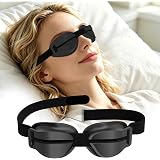
The Sidesleeper Z Sleep Mask, for instance, offers a pitch-black experience while accommodating side sleepers, ensuring it stays comfortably in place all night. By eliminating all light, you give your body the optimal conditions to produce melatonin unhindered, allowing your sleep cycles to unfold naturally and ushering in more profound stages of deep, restorative sleep. It’s like drawing the curtains on the entire world, signaling complete surrender to rest.
Soundscapes for Serenity: Noise Control and Sleep Earbuds
Noise is a significant, yet often underestimated, sleep disruptor. Whether it’s the sudden jolt of a child’s late-night visit, a partner’s snoring, or external city sounds, unexpected noises can rouse your brain, even if you don’t fully wake up. This disrupts the continuity of your sleep cycles, particularly cutting into vital deep sleep. To counteract these unwanted interruptions, creating a consistent, soothing soundscape can be incredibly effective.
Many individuals find comfort in the steady hum of a fan, which not only provides white noise but also helps cool the room. Dedicated sleep earbuds, like the Soundcore Sleep A30, take this a step further. Designed for side sleepers, they block disruptive sounds through noise cancellation and can play pre-loaded white noise soundscapes or stream meditations. This consistent auditory environment acts like a soundproof cocoon, allowing your nervous system to remain calm and undisturbed throughout the night, protecting your precious deep sleep.
Cooling for Core Comfort: The Role of Mattress Pads
Temperature is a crucial, often overlooked, factor in achieving deep sleep. As your body prepares for sleep, your core body temperature naturally drops—a key physiological signal that it’s time to rest. If your sleep environment is too warm, your body has to expend energy trying to cool itself down, which can interfere with this critical temperature drop and disrupt deep sleep. This is where cooling mattress pads truly shine.
Innovative brands like Eight Sleep, ChiliPad, and BedJet utilize advanced technology, often involving water or air circulation, to actively cool your sleep surface. By maintaining an optimal, lower temperature throughout the night, these pads help you fall asleep faster, remain asleep longer, and spend more time in the restorative deep sleep stages. Ensuring your bed is a cool oasis helps your body fulfill its natural thermoregulatory process, making deep sleep an effortless reality rather than a nightly struggle.
Breathe Easy: Nasal Breathing and Specialized Strips
The way you breathe during sleep profoundly impacts its quality. Poor nasal breathing often leads to mouth breathing, which can exacerbate snoring, cause restless nights, and significantly reduce your time in deep sleep. Nasal breathing is superior for sleep because it humidifies and filters the air, produces nitric oxide (which improves oxygen uptake), and primarily engages the diaphragm, activating the parasympathetic “rest and digest” nervous system. Mouth breathing, conversely, can keep the sympathetic “fight or flight” system mildly active.
Nasal strips can be transformative by gently expanding your nasal passages, promoting easier nose breathing throughout the night. Traditional flimsy strips often fall off or irritate the skin. However, specialized solutions like the Intake Breathing Nasal Strip Starter Kit, with its magnetic tabs and supportive band, offer a more secure and comfortable experience. By ensuring open nasal airways, these strips can reduce snoring, prevent disruptive gasping, and foster a stable breathing pattern essential for maintaining consistent, deep sleep.
Measuring and Understanding Your Deep Sleep Quality
In the quest for better sleep, what gets measured gets managed. Understanding the patterns and quality of your sleep is crucial for identifying what’s working and what needs adjustment. However, the accuracy of sleep tracking devices varies significantly, especially when it comes to the intricate stages of deep sleep.
The Quest for Accurate Sleep Tracking
While many wearables track sleep, their accuracy in differentiating between sleep stages, particularly deep sleep, can be inconsistent. The gold standard for sleep measurement remains polysomnography (a sleep lab study), which uses electrodes to monitor brain waves, eye movements, muscle activity, and breathing. The video highlights a head-to-head study comparing popular wearables like the Apple Watch, Oura Ring, and Fitbit against this gold standard. The Oura Ring emerged as the most accurate consumer device for detecting deep sleep, showing the closest correlation with polysomnography results.
Devices like the Apple Watch and Fitbit are still excellent for tracking overall sleep duration, sleep versus wake times, and identifying general trends in your sleep patterns. They can effectively alert you to consistent sleep debt or fragmented nights. However, if your primary goal is precise measurement of deep sleep stages to validate interventions, the current evidence strongly points towards the Oura Ring as the leader in consumer-grade accuracy. Investing in a reliable tracker provides invaluable data, transforming sleep optimization from guesswork into a data-driven strategy.
Grounding: Nature’s Circadian Reset
The concept of “grounding” or “earthing” suggests that direct contact with the Earth’s surface can transfer free electrons to the body, potentially reducing inflammation, stress, and improving sleep. While research into grounding mats and sheets is still in its early stages and results are varied, the video emphasizes a more established, “real-world” form of grounding. Spending 15 minutes outdoors first thing in the morning, walking barefoot on natural surfaces like grass or sand, and exposing your eyes to natural sunlight provides a powerful and undisputed circadian reset. This simple practice signals to your body that a new day has begun, reinforcing your natural sleep-wake cycle and significantly contributing to more robust deep sleep later that night. It connects you directly with natural rhythms, a fundamental aspect of holistic well-being.
Rest Easy: Your Deep Sleep Product Questions Answered
What is deep sleep and why is it important for my health?
Deep sleep is a crucial part of restorative rest that significantly impacts your physical health, thinking abilities, mood, and overall well-being. Getting enough deep sleep is a fundamental pillar of good health.
What are some simple ways to get better deep sleep?
You can improve deep sleep by adjusting your body’s internal clock, controlling the light you’re exposed to, making your bedroom better for sleep, and tracking your sleep progress.
Can natural supplements help me achieve deeper sleep?
Yes, natural supplements like Apigenin, L-Theanine, Ashwagandha, and Magnesium can help calm your mind and body. They work by targeting specific pathways to prepare you for deep sleep.
How does the light I see affect my deep sleep?
Blue light from screens before bed can stop your body from making melatonin, making it hard to sleep. In contrast, red light in the evening can help boost melatonin and signal your body to wind down.
What can I do to make my bedroom better for deep sleep?
To improve your sleep environment, ensure your room is completely dark, control noise with earplugs or white noise, keep the temperature cool, and promote nasal breathing with strips if needed.