The pursuit of truly restorative slumber has always been a core human endeavor, and as the video above expertly introduces, cutting-edge technology is now revolutionizing our approach to achieving a better night’s sleep. From sophisticated smart mattresses that dynamically respond to physiological cues to advanced noise-canceling sleep masks designed for unparalleled sensory isolation, the landscape of sleep enhancement gadgets is experiencing an unprecedented surge in innovation. This extensive review delves deeper into the technological paradigms underpinning these innovations, offering an expert-level exploration into how these devices are engineered to optimize sleep architecture and elevate overall sleep quality, ensuring you wake up truly refreshed and rejuvenated in 2024.
Elevating Rest: Advanced Gadgets for a Better Night’s Sleep in 2024
The Core Pillars of Sleep Architecture and Technological Intervention
Achieving truly optimal sleep transcends mere duration; it is deeply rooted in the quality and progression through various sleep stages, collectively known as sleep architecture. This intricate sequence, encompassing light sleep, deep sleep (slow-wave sleep), and REM sleep, is crucial for cognitive restoration, physical repair, and emotional regulation. Disruptions to this delicate balance, often caused by environmental factors or physiological inconsistencies, can lead to chronic fatigue and compromised well-being. Modern sleep gadgets are not just about comfort; they are meticulously engineered to monitor, analyze, and actively optimize these fundamental stages of your nightly rest, promising a holistic improvement in your sleep health.
1. Understanding the intricate dance between these sleep stages is the first step towards appreciating the sophistication of contemporary sleep technology. Consider, for instance, the impact of fragmented deep sleep on memory consolidation, or the detrimental effects of interrupted REM cycles on mood regulation and problem-solving abilities. The objective of many next-generation sleep gadgets for a better night’s sleep is precisely to minimize such disruptions, fostering a more continuous and efficient journey through the complete sleep cycle. This scientific grounding allows for the development of solutions far more precise and effective than traditional sleep aids.
Smart Mattresses and Adaptive Sleep Systems: Beyond Surface-Level Comfort
The evolution of the mattress has transitioned far beyond simple cushioning, with smart mattresses now representing a pinnacle of personalized sleep technology. These advanced systems integrate an array of sensors, including accelerometers, pressure sensors, and even biometric trackers, to meticulously monitor an individual’s sleep posture, movements, and vital signs throughout the night. The data collected is then analyzed by sophisticated algorithms, often leveraging machine learning, to identify optimal support requirements. This real-time analysis allows the mattress to dynamically adjust its firmness, temperature, and even elevation across various zones, providing targeted comfort and support.
2. Imagine a smart mattress detecting a subtle shift in your lumbar region that could lead to discomfort, instantly firming or softening specific air chambers or foam layers to preemptively correct your spinal alignment. This proactive adjustment minimizes micro-awakenings and ensures that your body maintains an ideal ergonomic position, reducing pressure points that often interrupt deep sleep. Furthermore, integrated climate control systems can regulate the mattress’s surface temperature, dissipating excess heat or providing warmth, thereby maintaining the optimal thermal environment essential for initiating and sustaining uninterrupted sleep. These adaptive sleep systems represent a significant leap forward in creating a truly personalized sleep environment.
Advanced Auditory & Olfactory Modulators: The Science of Sensory Isolation
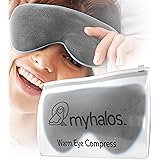
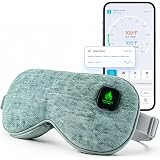
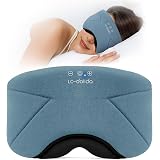
While the video briefly touches upon noise-canceling sleep masks, the technological depth behind modern auditory and olfactory modulators extends far beyond passive sound dampening. Today’s premium noise-canceling sleep masks often employ active noise cancellation (ANC) technology, similar to high-fidelity headphones, by generating anti-phase sound waves that neutralize ambient noise. This sophisticated approach effectively eliminates low-frequency disturbances like traffic hum or snoring, which traditional earplugs or passive masks cannot fully address, creating a pristine auditory sanctuary conducive to deep rest.
3. Consider a scenario where your sleep environment is constantly bombarded by unpredictable urban sounds or the persistent drone of an HVAC system. An advanced noise-canceling sleep mask can isolate you from these intrusions, allowing your brain to enter and maintain critical sleep stages without external provocation. Complementing this auditory isolation, some innovative gadgets for a better night’s sleep now incorporate subtle olfactory modulation, diffusing calming essential oils or specific pheromones known to induce relaxation and prepare the mind for sleep. This multi-sensory approach addresses external stimuli comprehensively, creating an optimized environment for sleep induction and maintenance.
Wearable Sleep Trackers and Biofeedback Devices: Quantifying and Optimizing Rest
Beyond the immediate sleep surface, wearable sleep trackers and biofeedback devices offer invaluable insights into the physiological nuances of your sleep cycle. These compact, often unobtrusive gadgets, worn on the wrist or finger, continuously monitor a spectrum of biometric data, including heart rate variability (HRV), skin temperature, blood oxygen saturation (SpO2), and subtle body movements. Advanced algorithms then translate this raw physiological data into actionable insights, providing detailed breakdowns of sleep stages, efficiency scores, and recovery metrics, moving beyond simple step counts to deep health analysis.
4. Imagine receiving a daily report that not only tells you how long you slept but also precisely how much time you spent in each sleep stage, identifying patterns in your HRV that indicate stress levels, or pinpointing moments of restless sleep due to external factors. This granular data empowers users to make informed lifestyle adjustments—be it optimizing bedtime routines, modifying caffeine intake, or adjusting exercise schedules—to directly influence sleep quality. Some biofeedback devices even guide users through pre-sleep breathing exercises or meditation techniques, using real-time physiological feedback to train the body and mind into a state of readiness for sleep, fostering a deeper connection with one’s chronobiology.
Light Therapy and Circadian Rhythm Synchronization Tools
The profound influence of light exposure on our circadian rhythm, the body’s intrinsic 24-hour clock, is a critical aspect often overlooked in sleep optimization. Light therapy lamps, or “dawn simulators,” are prime examples of gadgets designed to synchronize this rhythm, especially beneficial for individuals with irregular schedules or those experiencing seasonal affective disorder. These devices gradually increase light intensity in the morning, mimicking a natural sunrise, which effectively suppresses melatonin production and gently awakens the body, fostering alertness and improving mood without the jarring effect of an alarm clock.
5. Conversely, specialized light-emitting glasses or smart bulbs can filter out blue light in the evening, preventing its disruptive effect on melatonin synthesis, thereby signaling to the brain that it’s time to prepare for sleep. Imagine a smart home system that automatically dims lights and shifts their color temperature to a warmer, amber hue as evening progresses, creating an environment that naturally encourages the onset of sleep. This sophisticated manipulation of light spectrum and intensity, often paired with personalized schedules, serves as a powerful tool in regulating the sleep-wake cycle, making these gadgets indispensable for achieving a better night’s sleep and enhancing overall daytime vitality.
Integrating Your Sleep Ecosystem: The Future of Personalized Rest
The ultimate frontier in sleep technology lies in the seamless integration of these disparate gadgets into a cohesive, intelligent sleep ecosystem. Imagine a scenario where your smart mattress communicates with your wearable tracker, your smart lighting adjusts based on your sleep stage data, and your auditory modulator prepares the perfect soundscape for deep sleep. This interoperability, often managed through a central hub or a dedicated smartphone application, allows for a holistic and adaptive approach to sleep optimization. Such systems leverage AI and machine learning to learn individual preferences and physiological responses over time, continually refining the sleep environment for maximal benefit.
6. Consider a future where your integrated sleep system detects a drop in your deep sleep percentage over several nights, automatically adjusting your mattress firmness, recommending a specific light therapy protocol in the morning, and cueing a pre-sleep meditation track. This level of personalized, proactive intervention represents the zenith of what gadgets for a better night’s sleep can achieve, transforming the act of rest into a meticulously managed and highly optimized physiological process. The synergy of these advanced technologies holds the key to unlocking unprecedented levels of restorative rest and enduring wellness in the years to come.
Unpacking Sleep Gadgets: Your Q&A
What are sleep gadgets?
Sleep gadgets are modern technology devices designed to help you achieve a better night’s rest. They use advanced features to improve comfort, track sleep, and create an ideal sleep environment.
Why is understanding ‘sleep architecture’ important for good sleep?
Sleep architecture refers to the different stages of sleep (light, deep, and REM) your body cycles through each night. Understanding these stages is important because each one plays a crucial role in restoring your mind and body.
How can a ‘smart mattress’ help me sleep better?
A smart mattress uses sensors to monitor your body and can dynamically adjust its firmness, temperature, and support zones. This helps maintain optimal comfort and spinal alignment throughout the night, reducing disruptions.
Can gadgets help block out noise or bright lights while I sleep?
Yes, advanced noise-canceling sleep masks use technology to block disruptive sounds, and light therapy lamps or smart bulbs can filter blue light or mimic natural sunrises to manage light exposure. These tools create a more peaceful environment for sleep.
What do wearable sleep trackers do?
Wearable sleep trackers are small devices worn on your wrist or finger that monitor your biometric data, like heart rate and movements, while you sleep. They provide insights into your sleep stages, efficiency, and overall quality to help you understand and improve your rest.